


Organic Ginger Tea for Nausea: Benefits & Science
September 17, 2026

Table of Contents
- How Ginger Tea Works Against Nausea
- Scientific Evidence for Ginger Tea and Nausea Relief
- How Much Ginger Tea for Nausea Relief
- Caffeine-Free Tea for Digestion and Nausea Prevention
- How to Prepare Fresh Ginger Tea at Home
- Safety, Side Effects, and Who Should Avoid Ginger Tea
- Ginger Tea for Specific Nausea Conditions
- Frequently Asked Questions
Last Updated: September 18, 2026
How Ginger Tea Works Against Nausea
Ginger tea for nausea works through specific compounds in the root that interact with your digestive system and nervous system. The primary active constituents, 6-gingerol and shogaols, are responsible for ginger's anti-emetic properties. These compounds increase gastrointestinal motility, meaning they help your stomach move food along more efficiently, reducing the sensation of queasiness.
These compounds are absorbed into your bloodstream and affect the chemoreceptor trigger zone in your brain, which controls the vomiting reflex. This dual mechanism, working both locally in the digestive tract and systemically through the nervous system, is why ginger tea is effective for different types of nausea.
Ginger's anti-inflammatory properties reduce digestive tract inflammation, which amplifies nausea signals. By addressing this underlying cause rather than masking symptoms, ginger tea feels more restorative than quick fixes.
Organic ginger blends work best when steeped properly to extract maximum bioavailability of these active compounds. The fresher the ginger, the higher the concentration of therapeutic constituents.
Scientific Evidence for Ginger Tea and Nausea Relief
Clinical trials demonstrate that ginger reduces nausea severity across multiple conditions by influencing gastric emptying and reducing vomiting signals, though evidence strength varies by application.
Studies show ginger can be as effective as some over-the-counter medications for motion sickness (pubmed.ncbi.nlm.nih.gov). Ginger works best when taken preventively before nausea becomes severe, rather than after symptoms start.
For chemotherapy-induced nausea, the evidence is more mixed but promising. Some patients report significant relief, while others see modest improvement. The variation likely depends on individual sensitivity and the specific chemotherapy drugs being used. What matters is that ginger appears safe to use alongside conventional treatments, making it a reasonable complementary approach worth discussing with your healthcare provider.
Hot water extraction releases active constituents more effectively than cold water or supplements, which is why fresh ginger tea often outperforms powdered alternatives.
How Much Ginger Tea for Nausea Relief
The therapeutic dosage for ginger tea typically ranges from 1 to 2 grams of dried ginger per cup, steeped for 5-10 minutes. This translates to roughly a 1-inch slice of fresh ginger root for a single serving. Most people find that 1-3 cups per day provides noticeable relief without side effects.
Drink ginger tea 30 minutes before a triggering situation, a car ride, meal, or medical procedure, rather than after nausea starts, allowing compounds time to circulate.
Longer steep times (10 minutes versus 5) extract more active compounds. Thin slicing of fresh ginger increases surface area and improves extraction.
Individual tolerance varies. Start with one cup and adjust based on your response; most people need 1-3 cups daily without exceeding 4 cups.
Caffeine-Free Tea for Digestion and Nausea Prevention
Ginger tea is naturally caffeine-free, making it safer than caffeinated options since caffeine can trigger nausea and irritate an upset stomach.
You can drink ginger tea anytime without sleep disruption; an evening cup supports digestion and reduces nighttime queasiness.
Regular ginger tea consumption improves digestive responsiveness, reduces bloating, and supports healthy stomach acid production, benefits that extend beyond nausea relief.
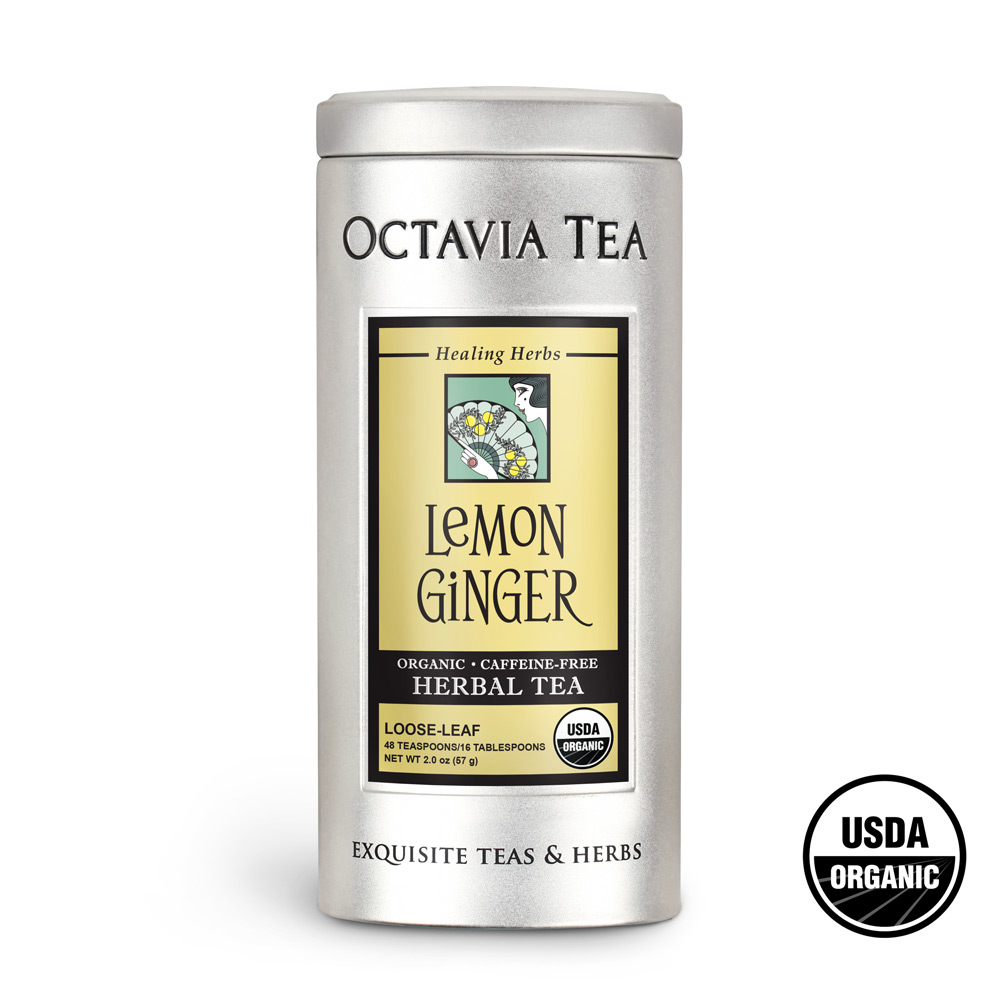
Octavia Tea's Lemon Ginger blend combines ginger's digestive support with lemongrass and citrus notes.
How to Prepare Fresh Ginger Tea at Home
Use fresh ginger root for maximum therapeutic effect. Select firm rhizomes with thin, papery skin. Peel a 1-2 inch section with a spoon edge to preserve the nutrient-dense layer.
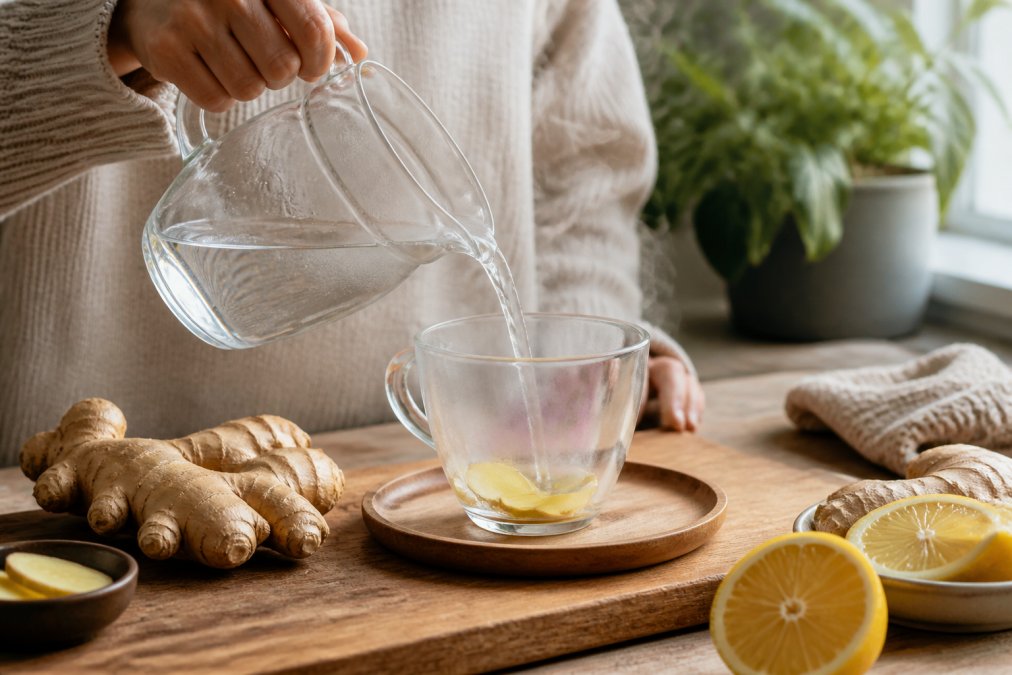
Slice peeled ginger thinly (about 1/8 inch) to maximize extraction. Place slices in a cup and pour water heated to 200-210°F; boiling water degrades volatile compounds.
Steep 5-10 minutes depending on desired strength. Strain and drink warm. Add honey (antimicrobial properties) or lemon (aids absorption) to improve palatability.
Batch-Brewing and Storage for Daily Use
Batch-brewing method: Slice 3-4 inches of fresh ginger into thin rounds in a quart-sized jar. Pour 4 cups of water heated to 200-210°F over the ginger. Cover and steep 10-15 minutes. Strain and transfer to a glass storage container.
Batch-brewed ginger tea keeps refrigerated in an airtight glass container for up to 5 days (glass prevents compound leaching into plastic).
Reheating: Warm gently on the stovetop or microwave to 160-180°F; avoid boiling, which degrades active compounds.
Cold-brew option: Place sliced ginger in room-temperature water and refrigerate 8-12 hours. Cold-brewed tea is milder and gentler on acid-sensitive stomachs; keeps 7 days refrigerated.
Fresh Ginger Storage and Shelf-Life
Store fresh ginger in the crisper drawer for 2-3 weeks. Freeze peeled, sliced ginger for up to 3 months; freezing breaks down cell walls, improving extraction. Brew frozen slices directly without thawing.
Dried Ginger and Tea Bag Alternatives
If fresh ginger isn't available, use 1 teaspoon dried ginger per cup; it's less potent due to lower volatile oil content. Store in a cool, dark cupboard for up to 1 year.
Commercial tea bags vary in potency; loose-leaf dried ginger delivers more active compounds due to larger particle size. Steep tea bags 10 minutes and consider using two per cup for stronger effect.
Comparison of potency: Fresh ginger slices are most potent. Frozen ginger is nearly equivalent. Dried powder is moderately potent. Commercial tea bags are least potent but still effective for mild nausea or prevention.
Safety, Side Effects, and Who Should Avoid Ginger Tea
Ginger tea is well-tolerated by most people. The most common side effect is mild digestive upset or heartburn, particularly on an empty stomach. If this occurs, drink with food or reduce the amount.
Drug-Herb Interactions: Medications That Interact with Ginger
Ginger has mild blood-thinning properties. If you take the following medications, discuss ginger consumption with your healthcare provider:
Anticoagulants and antiplatelet agents: Warfarin, clopidogrel, aspirin, and other blood thinners may have amplified effects with high-dose ginger. At typical tea amounts (1-3 cups daily), interaction is minimal, but combining with NSAIDs increases bleeding risk.
Diabetes medications: Ginger may lower blood glucose. If you take metformin, sulfonylureas, or insulin, ginger could enhance their effect. Monitor blood sugar closely.
Blood pressure medications: Ginger's mild vasodilatory effect may slightly lower blood pressure if you take ACE inhibitors, beta-blockers, or calcium channel blockers. Inform your provider.
Proton pump inhibitors and H2 blockers: Ginger stimulates gastric secretions, which could theoretically counteract acid-suppression medications. Mention to your doctor if on long-term therapy.
Immunosuppressants: Ginger's immune-stimulating properties may interfere with immunosuppressive medications. Discuss with your transplant team before regular use.
Interaction risk increases with higher doses and longer use. Daily consumption warrants discussion with your healthcare provider if you're on chronic medication.
Who Should Avoid Ginger Tea Entirely
Pregnant individuals should discuss ginger use with their obstetrician before daily use. Most obstetric guidelines consider up to 1 gram daily acceptable during pregnancy, though individual circumstances vary.
Avoid ginger if you have gallstones or bile duct obstruction, as it stimulates bile production. Inform your provider about ginger use if you have bleeding disorders or scheduled surgery.
If you have peptic ulcer disease, start with mild ginger tea (half the typical amount) and monitor your response.
If you have GERD, drink ginger tea with food and keep portions small to avoid increased heartburn.
Ginger Tea for Specific Nausea Conditions
Pregnancy-Related Nausea
Morning sickness affects a significant portion of pregnant people, particularly during the first trimester. Ginger tea has emerged as one of the most studied natural approaches for pregnancy-related nausea. Clinical evidence suggests that ginger can reduce the severity and frequency of queasiness without the risks associated with some pharmaceutical options.
Drink 1 cup of mild ginger tea in the morning before eating, or sip throughout the day for more consistent symptom control.
Ginger works best as a preventive measure. Start early in pregnancy and maintain consistent use for best results.
Motion Sickness and Chemotherapy-Induced Nausea
Drink ginger tea 30 minutes before travel. For long trips, drink at the beginning and midway through to prevent queasiness.
Chemotherapy-induced nausea varies by drug and individual metabolism. Some patients report significant relief; others see minimal benefit.
Ginger tea is worth trying as a complementary approach but shouldn't replace prescribed anti-nausea medications. The combination sometimes produces better results than either alone.
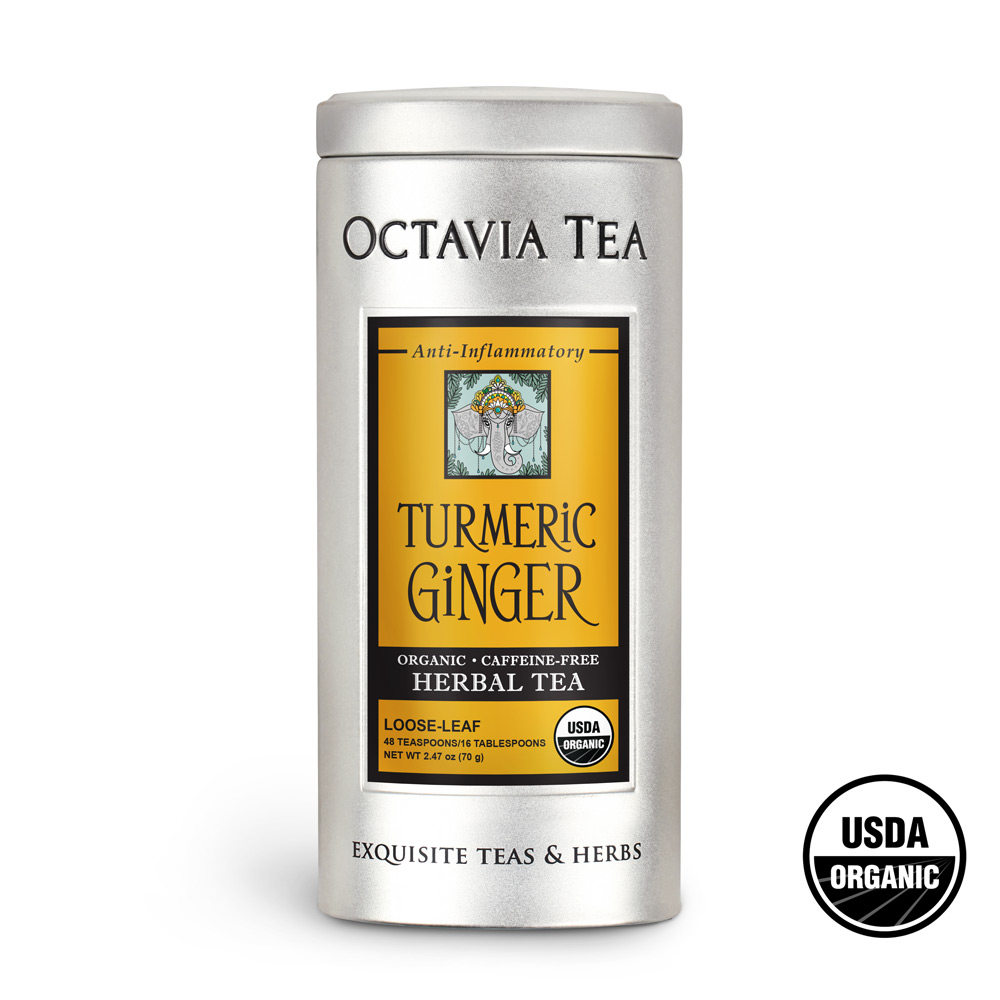
Ginger tea addresses the underlying mechanisms that trigger queasiness, making it one of the most evidence-supported natural approaches available. Octavia Tea's USDA certified organic ginger blends, including Lemon Ginger and Turmeric Ginger, are crafted from premium loose-leaf ginger sourced from estate gardens and hand-blended without artificial ingredients.
Frequently Asked Questions
How long does it take for ginger tea to stop nausea?
Most people experience relief from nausea within 30 minutes to 1 hour of drinking ginger tea. The bioavailability of ginger's active compounds, 6-gingerol and shogaols, means they begin affecting gastric emptying and gastrointestinal motility relatively quickly. For best results, drink ginger tea at the first sign of queasiness rather than waiting until nausea is severe.
How much ginger tea for nausea should I drink daily?
A typical therapeutic dosage is 1 to 2 cups of ginger tea per day for nausea relief. Each cup should contain 1 to 2 teaspoons of fresh grated ginger or 1 teaspoon of dried ginger, steeped for 5 to 10 minutes. Start with one cup and assess your response before increasing intake. Consult a healthcare provider if you plan to use ginger tea regularly for chronic nausea.
Is organic ginger tea better than conventional ginger tea for nausea?
Organic ginger tea offers several advantages: it's grown without synthetic pesticides, contains no artificial additives, and often has higher concentrations of active compounds due to sustainable farming practices. For nausea relief, the pharmacological properties of ginger remain consistent, but organic options eliminate exposure to residual chemicals and provide peace of mind about purity and ingredient sourcing.
Can ginger tea interact with my medications?
Ginger can interact with blood-thinning medications like warfarin and aspirin, potentially increasing bleeding risk. It may also affect glycemic control in people taking diabetes medications. If you take anticoagulants, antiplatelet drugs, or blood sugar regulators, consult your doctor before regularly consuming ginger tea. Most people without these conditions tolerate ginger tea safely.

Share on Facebook

Share on X

Share on Pinterest
Recent Posts


Octavia Tea Sign In
Create New Account