


Is Organic Tea Better for Digestion? What to Know

Table of Contents
- How Organic Tea Supports Digestion
- Polyphenols, Catechins, and Gut Microbiome Balance
- Herbal Tea for Bloating and Digestion: 4 Blends That Work
- Pesticide Residues in Conventional Tea: What They Do to Your Gut
- Temperature, Steeping Time, and Post-Meal Digestion
- Best Organic Loose Leaf Tea Brands for Digestive Health
- Tea and Digestive Medications: What to Check First
- Frequently Asked Questions
Last Updated: September 16, 2026
How Organic Tea Supports Digestion
The question of is organic tea better for digestion depends less on the word "organic" and more on what conventional tea carries into your cup. Organic tea is tea grown without synthetic pesticides, herbicides, or fertilizers, and that difference matters most for people drinking it daily. At Octavia Tea, we source from estate gardens that follow organic growing standards, because a daily wellness ritual should not come with a side of chemical residue.
Below, we break down how tea compounds interact with your gastrointestinal health, which blends actually help with bloating, and what to check before you sip alongside medication.
The short answer to is organic tea better for digestion: yes, when you drink it regularly, because the pesticides used on conventional tea leaves can disrupt the gut microbiome over time. A single cup is unlikely to matter. A daily habit is where the difference shows up.
Polyphenols, Catechins, and Gut Microbiome Balance
Tea's digestive benefits come from polyphenols, the plant compounds that give tea its color, flavor, and antioxidant properties. Catechins are the most studied polyphenol group in tea, and research into how they interact with the gut microbiome continues to expand. According to the National Center for Complementary and Integrative Health overview of tea, tea polyphenols are among the most researched plant compounds for their antioxidant and anti-inflammatory activity.
Here is the practical part most guides skip: polyphenols are poorly absorbed in the small intestine. Only a small fraction of the catechins you drink actually enter your bloodstream intact. The rest travel to the colon, where gut bacteria break them down into smaller compounds your body can actually use. That process feeds beneficial microflora and supports a healthier digestive tract.
The mechanism matters because it explains why tea works gradually rather than instantly. When colonic bacteria metabolize catechins, they produce short-chain fatty acids and smaller phenolic acids. Short-chain fatty acids are the primary fuel source for the cells lining your colon, and they help maintain the mucosal barrier that keeps undigested food particles and bacteria from leaking into the bloodstream. A stronger barrier means less low-grade inflammation, which is one reason daily tea drinkers often report fewer bloating episodes over weeks rather than days.
Different teas shift the microbiome in different ways:
- Green tea is rich in epigallocatechin gallate (EGCG), the most studied catechin. Research suggests EGCG may promote the growth of beneficial Lactobacillus and Bifidobacterium species while inhibiting certain harmful strains.
- Black tea undergoes full oxidation, converting catechins into theaflavins and thearubigins. These larger molecules reach the colon in higher concentrations and appear to support butyrate-producing bacteria, which are linked to a healthier gut lining.
- Oolong tea sits between green and black, offering a mix of catechins and oxidation-derived compounds. Its partial oxidation may provide a broader spectrum of microbial support than either extreme.
- Pu-erh and other fermented teas contain post-fermentation compounds and live cultures from the aging process, though the research on their specific microbiome effects is still developing.
A common mistake is expecting a single cup to change your gut. The microbiome shifts in response to consistent inputs over weeks, not hours. Most practitioners suggest that a daily habit of two to three cups, sustained for at least a month, is where people tend to notice meaningful changes in bloating, regularity, and overall comfort.
One more variable worth knowing: caffeine. Green and black teas contain caffeine, which stimulates gastric acid production and can speed up motility. For some people that aids digestion; for others, especially those with acid reflux or sensitive stomachs, it can make symptoms worse. If caffeine is a problem, white tea offers a lower-caffeine option with a similar catechin profile, and herbal blends sidestep the issue entirely.
Herbal Tea for Bloating and Digestion: 4 Blends That Work
Herbal tea for bloating and digestion works through plant compounds rather than caffeine, which makes it the better choice after a heavy meal. Peppermint oil relaxes the muscles of the digestive tract (Review article: The physiologic effects and safety of Peppermint Oil and its efficacy in...). Ginger contains gingerol, a compound linked to faster gastric motility. Fennel seeds and their terpenes have a long history as a natural remedy for gas.
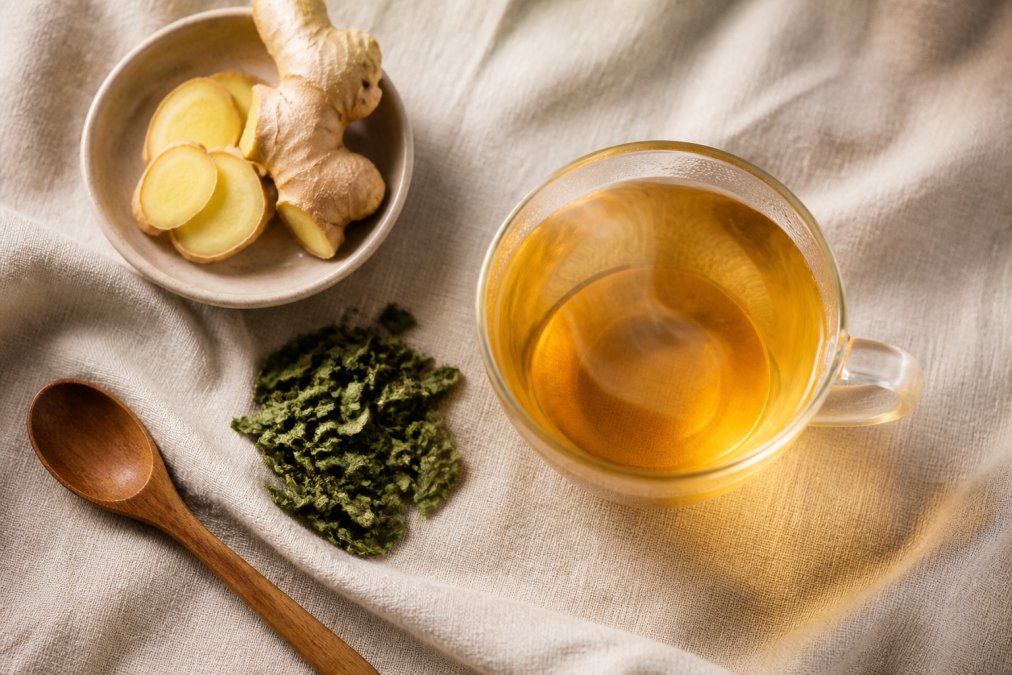
Four blends earn their place in a daily rotation:
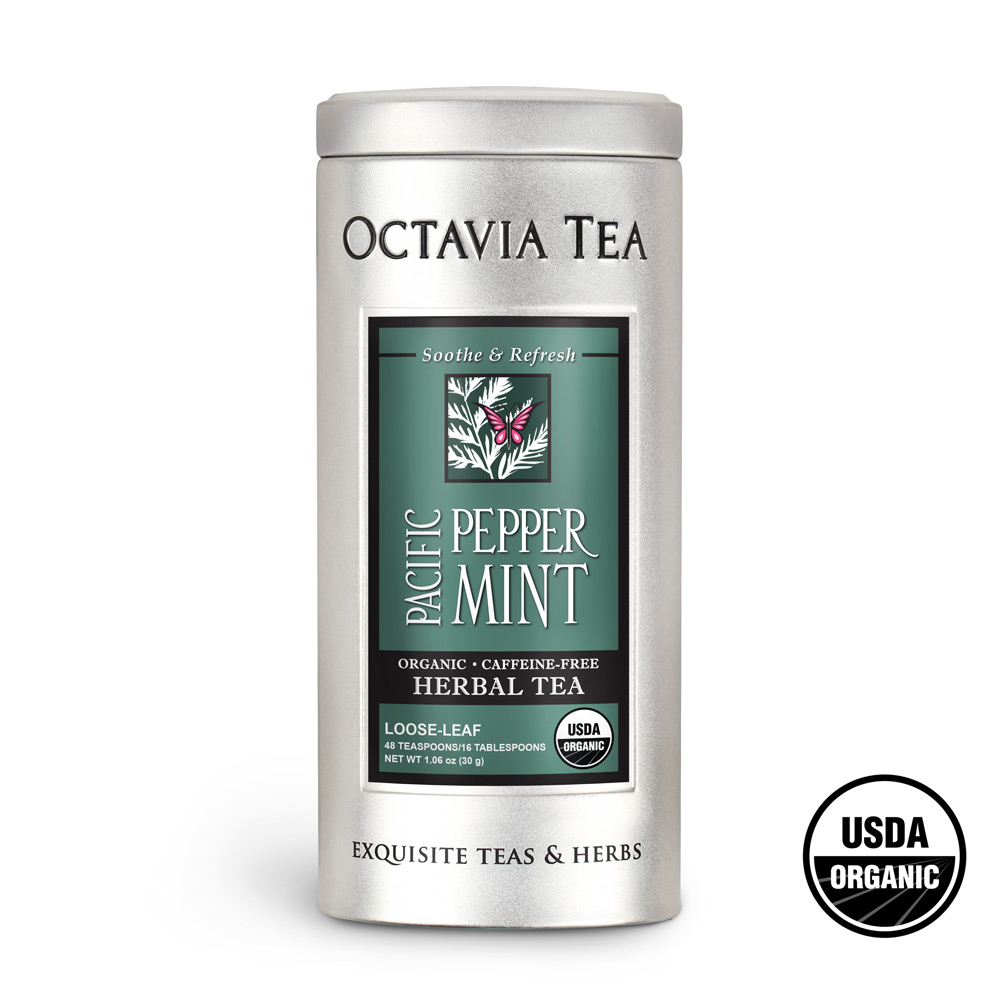
- Peppermint for cramping and bloating. Octavia Tea's Pacific Peppermint is grown in the Pacific Northwest and is notably potent and aromatic, with a crisp flavor that makes it easy to drink after dinner.
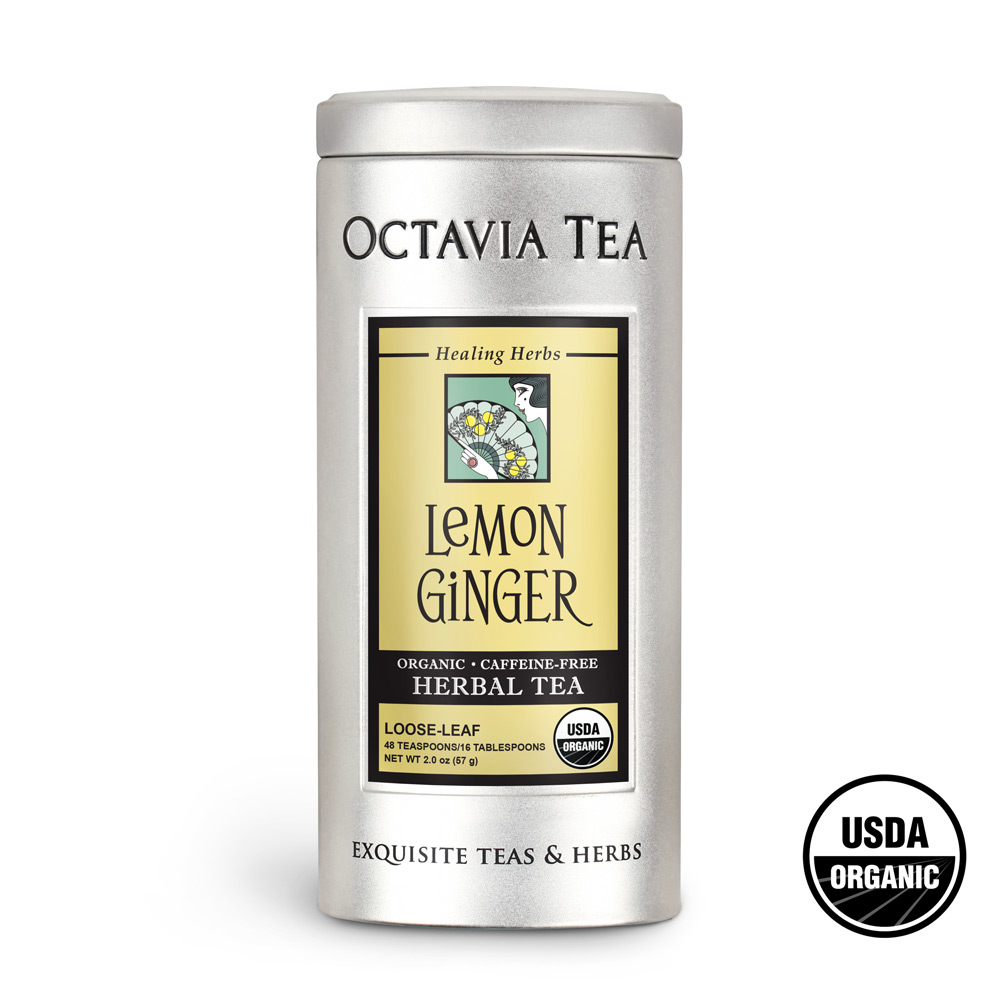
- Ginger for nausea relief and post-meal digestion. Our Lemon Ginger blends citrus-scented botanicals with a zing of ginger, and it is naturally caffeine-free.
- Turmeric and ginger for inflammation support. Turmeric Ginger combines turmeric, ginger, lemon, and honey into an ancient herbal recipe, and turmeric is used in Ayurvedic and Chinese medicine for digestive and liver support.
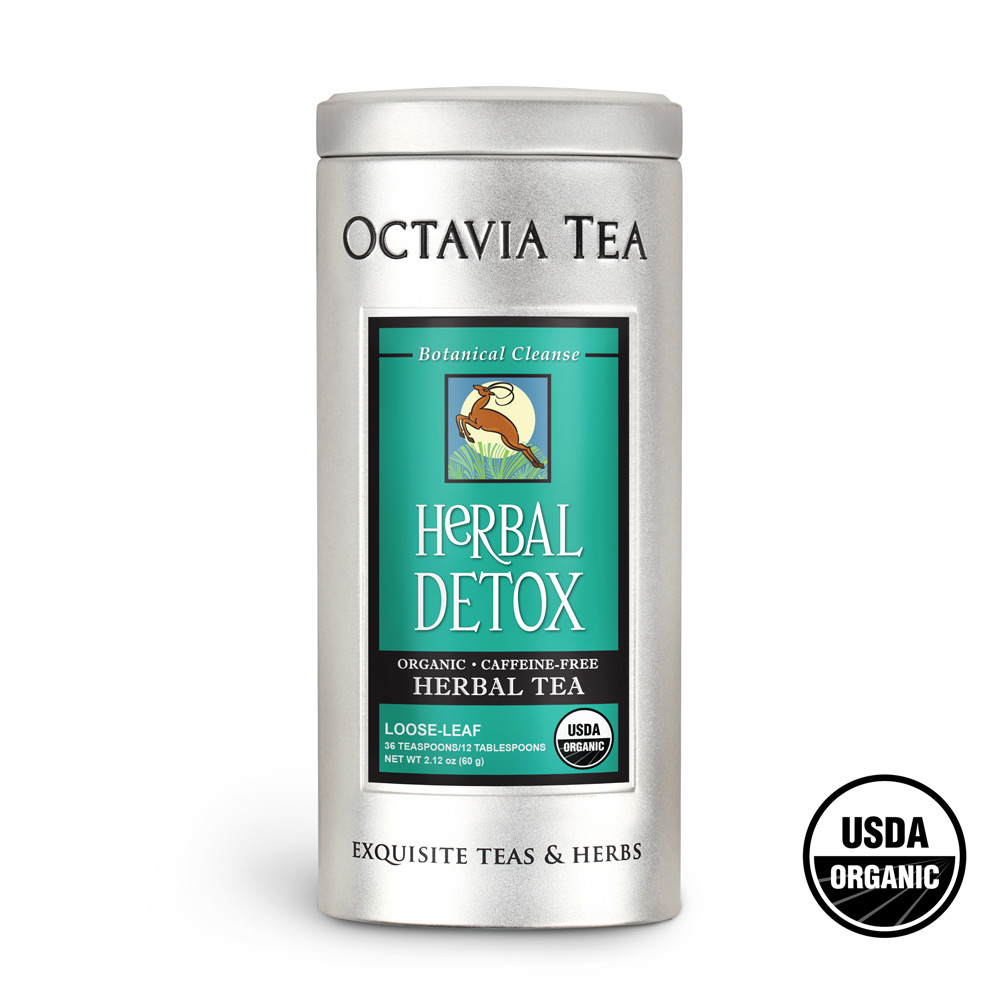
- Detox blends for gentle cleansing. Herbal Detox uses roots and botanicals from traditional Chinese medicine to support liver function and circulation.
A common mistake is drinking these blends scalding hot. Very hot liquid can irritate an already sensitive stomach lining.
Pesticide Residues in Conventional Tea: What They Do to Your Gut
Pesticide residues in conventional tea are the strongest argument for choosing organic, and most articles on this topic skip it entirely. Conventional tea farming often relies on synthetic pesticides, and residue can remain on dried leaves. Because tea is not washed before brewing, whatever sits on the leaf ends up in your cup.
The gut microbiome is a community of bacteria that helps break down food, produce vitamins, and regulate inflammation. Repeated low-level exposure to pesticide residue may disturb that community. Research into the Environmental Protection Agency's pesticide residue tolerance program sets limits for what is considered safe on food crops, but those limits are built around occasional exposure, not a daily multi-cup habit.
This is where organic certification does real work. USDA certified organic tea is grown without synthetic pesticides, which removes the residue question entirely. It is also the reason we hand-blend every Octavia Tea offering using only natural flavor essences and pure essential oils, with no artificial ingredients.
Temperature, Steeping Time, and Post-Meal Digestion
Temperature and steeping time change what actually ends up in your cup, and this is a variable almost nobody controls properly. Water that is too hot extracts bitter tannins that can upset a sensitive stomach. Water that is too cool under-extracts the soothing compounds you are drinking the tea for.
But temperature does more than control extraction. It also changes how your digestive system responds to the tea itself, and this is the part almost no guide covers.
Hot tea and gastric motility. Warm liquid stimulates the vagus nerve and triggers a mild increase in gastric blood flow.
Two brewing rules cover most situations:
- Herbal blends: steep 5 to 7 minutes in water just off a boil. Roots and botanicals need longer to release their compounds.
- Green and white tea: steep 2 to 3 minutes at a lower temperature. Boiling water scorches the leaves and turns the cup bitter.
Best Organic Loose Leaf Tea Brands for Digestive Health
Loose leaf tea outperforms tea bags for digestive purposes for a simple reason: leaf size. Whole leaves release their compounds gradually across multiple steeps, while the fine dust in most tea bags extracts fast and fades. You also avoid the bleach and plastic used in some bag material.
When evaluating any brand, including ours, check three things:
What to Check | Why It Matters | What to Look For |
|---|---|---|
Organic certification | Verifies no synthetic pesticides | USDA organic seal |
Leaf grade | Whole leaf steeps better and longer | Full leaves, not dust or fannings |
Sourcing transparency | Shows how farmers are treated | Named estate gardens, direct sourcing |
Tea and Digestive Medications: What to Check First
Tea can interact with common digestive medications, and this is the gap most guides leave open. Tannins in tea bind to certain drugs and reduce how much your body absorbs. That matters most for medications with a narrow therapeutic window.
Check with your pharmacist before drinking tea alongside:
- Proton pump inhibitors and antacids, which tea tannins may bind to
- Iron supplements, since tannins reduce iron absorption significantly
- Blood thinners, because some herbal blends affect clotting
- Laxatives and antidiarrheals, since herbal teas can compound their effect
Frequently Asked Questions
Does organic tea have fewer pesticides than conventional tea?
Yes. Organic tea is grown without synthetic pesticides, and USDA organic certification requires third-party verification of farming practices. Conventional tea can carry pesticide residues that may disrupt the gut microbiome over time. Choosing certified organic loose leaf tea reduces your exposure to these compounds while supporting cleaner agricultural practices.
Can drinking tea help with bloating and digestion?
Certain herbal teas, especially peppermint and ginger, have been used for centuries to soothe abdominal discomfort. Peppermint may relax digestive muscles and ease cramping, while ginger contains gingerol, a compound linked to faster gastric emptying. Caffeine-free herbal infusions are the safest choice for post-meal bloating relief.
Is caffeine in tea bad for digestion?
Caffeine can stimulate gastric acid production, which may bother people with sensitive stomachs or acid reflux. If caffeine triggers digestive distress, choose naturally caffeine-free herbal teas such as peppermint, ginger, or turmeric blends. These provide soothing properties without the stimulating effects of traditional camellia sinensis teas.
Are there specific tea ingredients that aid in digestion?
Yes. Ginger, peppermint, fennel seeds, and turmeric are among the most researched ingredients for digestive support. Gingerol in ginger and menthol in peppermint have both been studied for their effects on gastric motility and nausea relief. Turmeric contains curcumin, which is reputed for anti-inflammatory properties that may benefit the digestive tract.


Octavia Tea Sign In
Create New Account