


Are the Benefits of Organic Bergamot Tea Real?

Last Updated: October 25, 2026
Quick Summary
The benefits of organic bergamot tea come mostly from the tea base, not the citrus oil. Black tea delivers polyphenols and flavonoids studied for managing oxidative stress, while bergamot oil mainly adds scent and flavor. Organic bergamot tea is a pleasant, low-risk daily habit, not a treatment.
- Organic certification confirms how the leaf was farmed, not how much caffeine the cup contains.
- Bergamot extract studies use standardized doses far higher than what steeping leaves provides.
- Concentrated bergamot products can interact with statins and blood pressure medication, so ask your doctor first.
- Check the tin for visible organic certification, essential oil flavoring, and whole-leaf tea.
- Brew black tea with water just off the boil and steep briefly to keep the cup smooth.
Table of Contents
- What Organic Bergamot Tea Actually Is (and Isn't)
- The Bergamot Tea Benefits and Side Effects Worth Knowing
- Does Bergamot Tea Have Caffeine? What's in Your Cup
- How to Brew Loose-Leaf Tea for the Best Flavor
- Tea, Supplements, or Essential Oil: Not the Same Thing
- Choosing Your First Organic Bergamot Blend
- Frequently Asked Questions
What Organic Bergamot Tea Actually Is (and Isn't)
Bergamot tea is a black tea scented or flavored with oil from the bergamot citrus fruit, and the most familiar version is Earl Grey. At Octavia Tea, we blend ours with essential oil of bergamot pressed from Italian citrus, which is why the cup smells like flowers and citrus peel rather than candy. The appeal of a good bergamot tea start with what's actually in the tin: real tea leaves, real citrus oil, no artificial flavoring.
That distinction matters because 'Earl Grey' is a style, not a standard. A bergamot-flavored tea can be built on low-grade dust and synthetic flavor and still carry the name. Organic certification adds accountability for the leaf: it has to be grown and handled under a certified program
Why the Organic Label Changes the Cup
Organic tea is tea grown and processed under a certified organic program, which restricts the synthetic pesticides and fertilizers allowed during cultivation. The label is about how the leaf was farmed, not how the final blend tastes.
In practice, that means an organic bergamot blend starts with leaf grown without synthetic pesticides and fertilizers. We source direct from estate gardens and hold USDA certified organic status across our line, so the bergamot oil sits on a leaf we can stand behind. If you want to see how that looks across a full catalog, you can browse the certified organic tea selection and read the sourcing notes yourself.
The Bergamot Tea Benefits and Side Effects Worth Knowing
Most of what bergamot tea offers is mostly the benefits of tea itself, plus whatever the citrus oil contributes. Black tea brings polyphenols and flavonoids, the antioxidants studied for their role in neutralizing free radicals in lab settings. Bergamot oil adds aroma compounds and a small amount of flavoring, not a concentrated dose of anything.
When you steep black tea leaves, the hot water extracts catechins, theaflavins, and thearubigins, flavonoid compounds that circulate in the body and are being studied in population research with cardiovascular markers.
Side effects are mild for most drinkers: too much caffeine late in the day, or an upset stomach if you drink it very strong on an empty stomach. Bergamot oil in large concentrations can cause photosensitivity when applied to skin, but that concern does not apply to drinking a normal cup of tea.
Where the Evidence Is Strongest, and Where It Thins Out
Evidence for tea polyphenols and cardiovascular health is reasonably established in population research. Evidence for bergamot specifically lowering LDL cholesterol or triglycerides comes mostly from concentrated bergamot extract studies, not from drinking a cup of Earl Grey.
The same caution applies to blood pressure and anti-inflammatory claims. Some human trials on bergamot extract report modest improvements in lipid markers; those trials may not translate to a brewed cup, and no serious researcher claims they do. Laboratory studies showing bergamot oil inhibiting bacteria are interesting but were not conducted on tea drinkers.
So treat claims about lower cholesterol, blood pressure, or anti-inflammatory effects with appropriate caution when they're attached to tea. The cup is a pleasant, low-risk daily habit. It is not a treatment, and it is not a substitute for medication or medical advice.
Who Should Be Cautious
For most healthy adults, a few cups of bergamot tea a day is unremarkable. The groups who should pay closer attention are people who are sensitive to caffeine, people taking medications that interact with citrus compounds, and anyone managing a diagnosed condition who is considering adding a concentrated bergamot supplement rather than a cup of tea.
Does Bergamot Tea Have Caffeine? What's in Your Cup
Yes. Traditional bergamot tea is built on black tea, so it contains caffeine, typically in the range of a cup of black tea, about 40-70 mg per 8 ounces (pubmed.ncbi.nlm.nih.gov). The exact amount depends on the leaf, the serving size, and how long you steep.
Most of the caffeine comes out in the first few minutes. Steeping longer adds a little more, but it changes the flavor (more tannin, more bitterness) more than the caffeine. If you want less caffeine, use less leaf or choose a lower-caffeine base
A few practical notes:
- Black tea generally carries less caffeine than coffee but enough to notice
- Longer steeping extracts more caffeine, so a quick infusion is gentler
- If you're caffeine-sensitive, drink it earlier in the day
- A bergamot blend built on green or oolong tea will carry less caffeine than a black tea base, so the base matters as much as the bergamot
Caffeine and the Organic Choice
Organic certification tells you how the leaf was farmed, not how much caffeine it contains. A certified organic black tea and a conventional black tea of the same grade should land in a similar caffeine range. What organic certification does give you is accountability on the raw material, the leaf itself was grown and handled under a certified program rather than simply flavored to taste like one.
That matters when you are choosing a daily cup. If you drink bergamot tea several times a day, the quality of the base leaf is the variable you can actually control, and the organic label is one signal of it. If caffeine is your concern, the lever is the tea base and the steep, not the certification.
If you're weighing black tea against greener options, this comparison of organic black tea versus green tea breaks down antioxidants and caffeine side by side.
How to Brew Loose-Leaf Tea for the Best Flavor
Start with water just off the boil for black tea, enough leaf to color the water, and a steep short enough that the cup stays smooth rather than bitter. How to brew loose-leaf tea well comes down to three variables: leaf quantity, water temperature, and time.
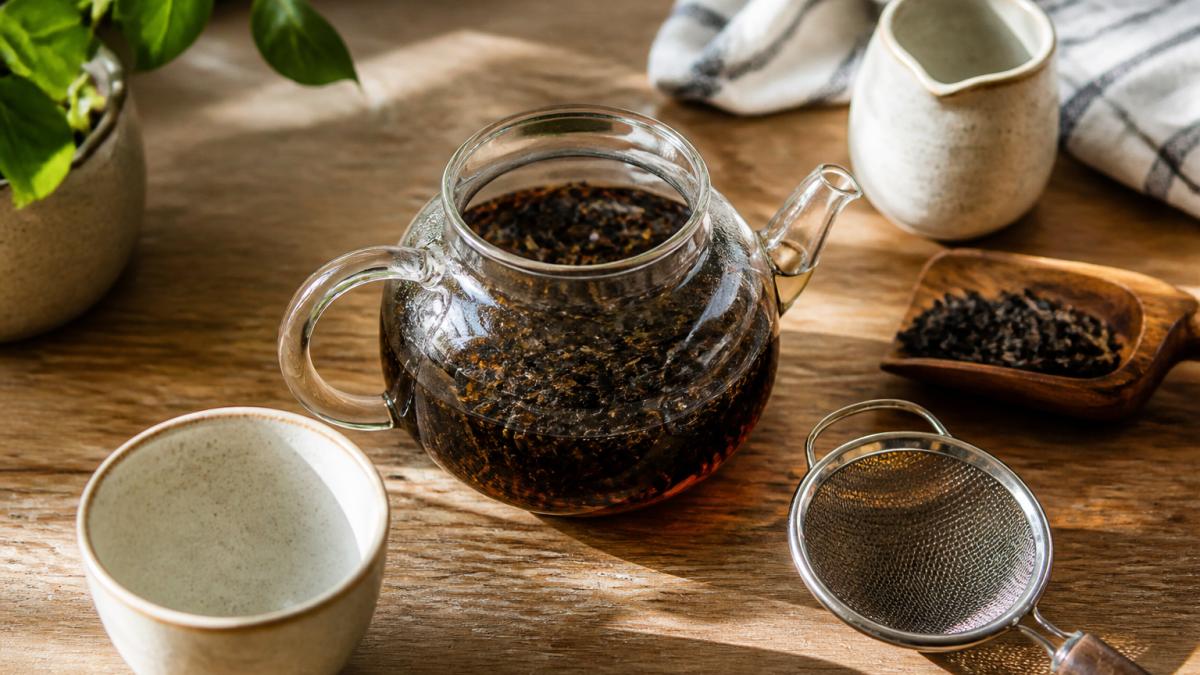
A workable starting method:
- Warm the pot or cup with hot water, then discard it
- Add loose leaf, roughly a teaspoon per cup, adjusted to taste
- Pour water just below boiling, about 200-212F, over the leaf
- Steep 3-5 minutes, then strain and taste
- Shorten the time if it turns harsh, lengthen it if it tastes thin
For a full walkthrough of ratios, temperatures, and steeping times across tea types, our guide to brewing perfect loose-leaf tea covers each style in detail.
Tea, Supplements, or Essential Oil: Not the Same Thing
Bergamot shows up in three very different forms, and conflating them is an easy mistake to make in this category.
Form | What it is | Typical use | Key caution |
|---|---|---|---|
Bergamot tea | Black tea flavored with bergamot oil | Daily drinking | Caffeine; modest benefits |
Bergamot supplement | Concentrated extract in capsule form | Marked for cholesterol support | Can interact with medications |
Bergamot essential oil | Pure volatile oil, undiluted | Aromatherapy, flavoring | Not for drinking undiluted |
The supplement and the tea are not interchangeable, and bottled essential oil isn't for drinking. The bergamot oil used to flavor tea is a food-grade flavoring in a very small amount, which is a different thing.
If you like bergamot in tea form, our Earl Grey Lavender pairs the citrus with French lavender for a softer, more floral cup.

Choosing Your First Organic Bergamot Blend
Start with a classic and branch out once you know your preference. A traditional bergamot blend tells you whether you like the citrus bright or mello; a lavender version shows you whether floral notes suit you.
For a straightforward first purchase, Grand Earl Grey is a full-bodied blend of black tea and Italian bergamot, dark and rich but smooth, and it's the one regulars tend to reorder. From there, try a floral variation or a bergamot-oolong blend and see which direction you lean.

Best for: buyers who want a dependable everyday Earl Grey. Skip if: you prefer green or white tea bases over black.
Frequently Asked Questions
What are the potential benefits of bergamot tea?
Bergamot tea carries the antioxidants found in black tea, including polyphenols and flavonoids that have been studied for their ability to neutralize free radicals in lab settings. The bergamot oil adds aroma and a small amount of plant compounds. Some human studies on bergamot extracts suggest support for cholesterol and cardiovascular health, but those used concentrated extracts, not brewed tea. Expect a pleasant daily ritual rather than a treatment.
Is bergamot tea the same as Earl Grey?
Mostly, yes. Earl Grey is black tea flavored with bergamot oil, so it is the most common bergamot tea you will find. Organic Earl Grey tea simply means the tea leaves meet organic standards. Some blends pair bergamot with lavender, lemongrass, or oolong instead, which changes the flavor and caffeine level. Check the ingredient list to know exactly what you are drinking.
Does bergamot tea have caffeine?
It depends on the base tea. Bergamot-flavored black tea contains caffeine, roughly in the range of a standard cup of black tea. Blends built on oolong sit somewhat lower, and a pure herbal infusion with bergamot flavoring would have none. If you are sensitive to caffeine, drink it earlier in the day and check whether the blend uses black tea, oolong, or a caffeine-free base before you buy.
What are the possible side effects of bergamot tea?
Brewed bergamot tea is generally well tolerated. The bigger concern is bergamot in concentrated forms: essential oil and supplements can interact with medications, including some statins and blood pressure drugs, and citrus oils can make skin sensitive to sunlight. If you take prescription medication or are pregnant, talk to your doctor before adding concentrated bergamot products. A normal cup of tea is a different matter from a dropper of oil.
Bergamot tea rewards a little attention: better leaf, a proper steep, and a label you can actually read. If you want a blend built on certified organic leaf and real bergamot oil, Octavia Tea sources direct from estate gardens, hand-blends with natural essences and pure essential oils, and ships free on retail orders over $65. Get started with Octavia Tea and find the bergamot blend that earns a permanent spot in your rotation.


Octavia Tea Sign In
Create New Account