


What Are the Benefits of Drinking Floral Teas? A 2026 Guide

Table of Contents
- What Are Floral Teas? A Quick Primer
- Health Benefits of Floral Teas
- Caffeine Free Tea: Which Floral Blends Qualify
- Best Floral Teas for Digestion
- How to Brew Floral Tea for Maximum Benefit
- Contraindications and Drug Interactions to Know
- Sourcing, Storage, and Flavor Pairings
- Frequently Asked Questions
Last Updated: September 10, 2026
What Are Floral Teas? A Quick Primer
Floral teas are beverages made by infusing edible flowers, flower petals, or tea leaves scented with blossoms in hot water. This guide from Octavia Tea covers what these infusions actually do in the body, which ones are naturally caffeine-free, and how to brew them so the aromatic compounds survive the cup.
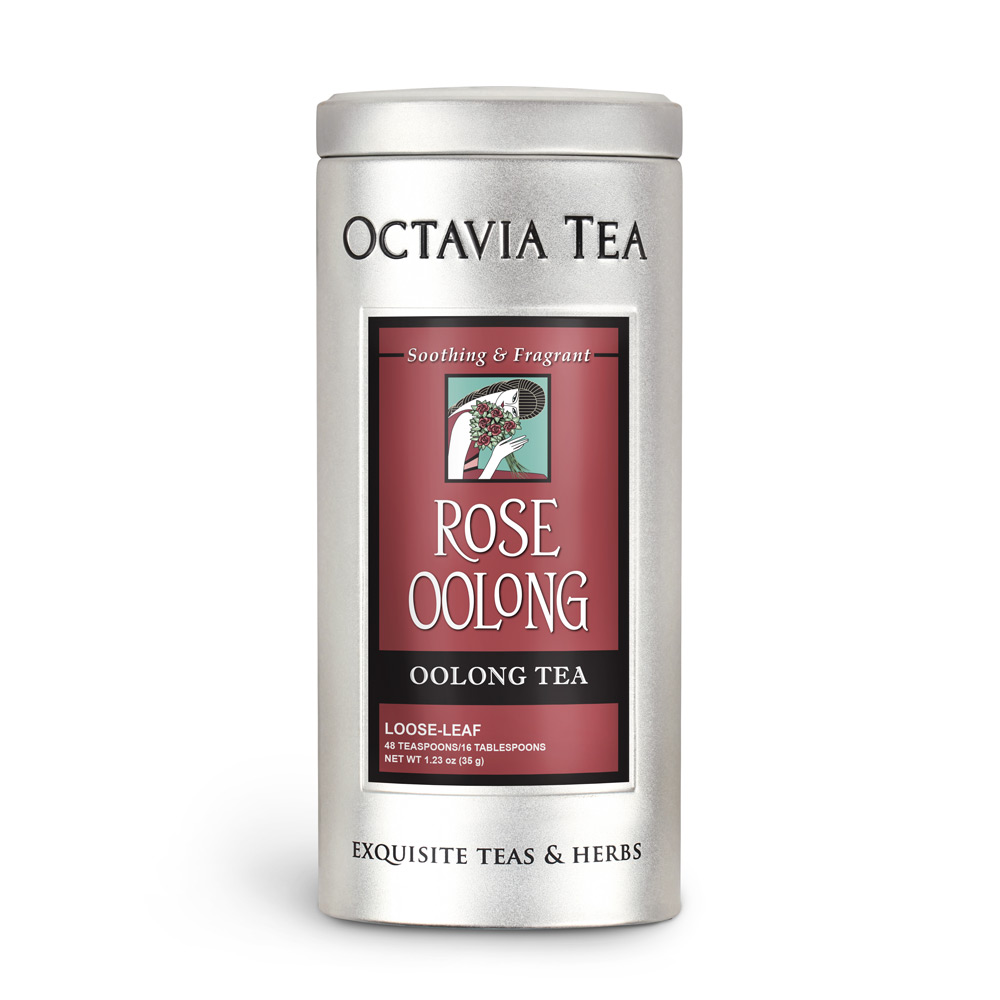
A common mistake is assuming every floral cup is caffeine-free. That depends entirely on the base. A pure chamomile or lavender infusion contains no caffeine at all, while a jasmine green tea or rose oolong carries whatever caffeine the underlying leaf provides (peer-reviewed research).
The distinction matters because it changes when you drink it. A sedative blend belongs at 9 p.m. A jasmine green belongs at 10 a.m.
Health Benefits of Floral Teas
The benefits of drinking floral teas come from two sources: the base leaf and the flower itself. Polyphenols, flavonoids, and catechins from the leaf do most of the antioxidant work, while the blossoms contribute aromatic compounds that influence mood and digestion.
Below are the four areas where the evidence and traditional use line up most consistently, along with what each one realistically delivers.
Antioxidants and Inflammation Support
Flower infusions are rich in polyphenols, the plant compounds studied for their role in managing oxidative stress. Green and oolong bases bring catechins to the cup; rose and jasmine bring their own flavonoids. Many people find that a daily floral cup fits easily into an anti-inflammatory eating pattern, though no tea replaces a diet built on vegetables, fish, and whole grains.
Stress Relief and Nervous System Calming
Lavender is the standout here. It has a long history in herbalism for anxiety and tension, and the simple act of steeping a fragrant cup slows breathing and heart rate. A relaxing floral tea works best as a ritual rather than a rescue: ten quiet minutes with a warm cup does more for the nervous system than a rushed one gulped at a desk.
Sleep Quality and Relaxation
Chamomile is the classic evening flower, traditionally used as a mild sedative to ease the transition into sleep. Pair it with lavender for a stronger calming effect. Avoid anything built on green or black tea after mid-afternoon, since the caffeine will work against the blossoms.
Skin, Hair, and Immune Support
Hydration is the underrated benefit. A caffeine-free floral infusion makes it easier to drink more water through the day, which supports skin elasticity and normal immune function. Oolong and green bases add antioxidants associated with anti-aging properties. The honest framing: floral tea supports these systems, it does not transform them on its own.
Caffeine Free Tea: Which Floral Blends Qualify
A floral blend qualifies as caffeine free tea only when every ingredient in it is caffeine free. Pure chamomile, lavender, rose, and hibiscus infusions are herbal, meaning they contain no tea leaf at all. Blends built on green, black, or oolong leaf always carry caffeine, no matter how floral the name sounds.
Here is how the common floral categories sort out:
Floral Blend Base | Caffeine Level | Best Time to Drink |
|---|---|---|
Chamomile, lavender, rose, hibiscus | None | Evening, before bed |
Moderate | Morning, early afternoon | |
Moderate | Afternoon | |
Earl Grey lavender (black) | Higher | Morning |
If you are sensitive to caffeine or drinking late, stay with the herbal column. If you want the antioxidant profile of true tea, choose a green or oolong base and drink it earlier.
Best Floral Teas for Digestion
The best floral teas for digestion are those with a traditional antispasmodic or carminative reputation: chamomile, lavender, rose, and peppermint-forward blends. What separates a cup that actually settles the stomach from one that just tastes pleasant comes down to which compounds are in the flower and how you drink it.
What Each Flower Actually Does
- Chamomile contains apigenin, a flavonoid studied for its calming effect on smooth muscle in the digestive tract. It is the most traditional choice for an upset stomach, gas, and general bloating.
- Lavender carries linalool and linalyl acetate, the aromatic compounds behind its reputation for easing intestinal cramping and tension-related stomach upset.
- Rose petals are gently astringent and have a long history in traditional medicine for soothing the gut lining. They are mild enough for daily drinking.
- Peppermint brings menthol, which relaxes the muscle of the digestive tract. Blended with chamomile or lavender, it is a strong option when bloating is the main complaint.
How to Drink It for Digestion
Mechanism matters, but so does timing and temperature. A few practical patterns make a real difference:
- Drink it after the meal, not during. A warm cup 15 to 30 minutes after eating supports the natural digestive wave rather than diluting stomach acid mid-meal.
- Let it cool to a comfortable drinking temperature. A scalding cup can aggravate a sensitive stomach, so give a digestive blend a few minutes to settle before you sip.
- Keep the steep moderate. A 5 to 7 minute steep pulls the aromatic oils without turning the cup bitter, which matters because bitterness itself can trigger stomach discomfort in some people.
- Stay consistent for a week before judging. Digestive herbs work cumulatively for most people, not as a single-cup fix.
A Simple Digestive Routine
A common pattern that works well: chamomile or a chamomile-lavender blend after dinner on heavy-meal days, peppermint-floral in the afternoon when bloating tends to peak, and plain rose or lavender on lighter days. Rotating flowers rather than drinking the same one daily reduces the chance of building a tolerance and keeps the ritual interesting.
One honest caveat: floral tea supports normal digestion. It is not a treatment for acid reflux, ulcers, or irritable bowel syndrome. If digestive symptoms are persistent or severe, that is a conversation for a doctor, not a teapot.
How to Brew Floral Tea for Maximum Benefit
Brewing floral tea well comes down to three variables: water temperature, steeping time, and leaf quantity. Get those right and the aroma, flavor, and therapeutic compounds all come through. Get them wrong and you get a bitter, flat cup that tastes nothing like the flowers smell.

Follow this sequence:
- Heat water to the right temperature for the base. Herbal flowers take boiling water; green and white bases take cooler water.
- Measure roughly one teaspoon of loose leaf per cup, or a little more for large dried blossoms.
- Steep for the correct window, then remove the leaves so they stop extracting.
- Taste before you sweeten. Good floral tea rarely needs it.
Floral Type | Water Temperature | Steeping Time |
|---|---|---|
Chamomile, lavender, rose | 200-212°F | 5-7 minutes |
175-180°F | 2-3 minutes | |
Jasmine white | 175°F | 2-3 minutes |
185-195°F | 3-4 minutes |
Contraindications and Drug Interactions to Know
Floral teas are generally safe for healthy adults, but a few carry real interactions. Chamomile belongs to the same plant family as ragweed, so anyone with a ragweed or daisy allergy should test a small amount first (acaai.org). Lavender may interact with sedatives and blood pressure medication. Rose and hibiscus can affect blood pressure and blood sugar, which matters if you take medication for either.
If you are pregnant, nursing, on blood thinners, or managing a chronic condition, talk to your doctor before making floral tea a daily habit. This is the part most guides skip, and it is the part that matters most.
Sourcing, Storage, and Flavor Pairings
Most guides stop at the health claims. The part that decides whether a floral tea actually delivers those benefits is what is in the tin and how you keep it, and almost no competitor covers it. This is the section that separates a cup that works from one that just smells nice.
How to Read a Floral Tea Package
Quality starts at the source, and the label tells you more than the marketing copy does. Look for:
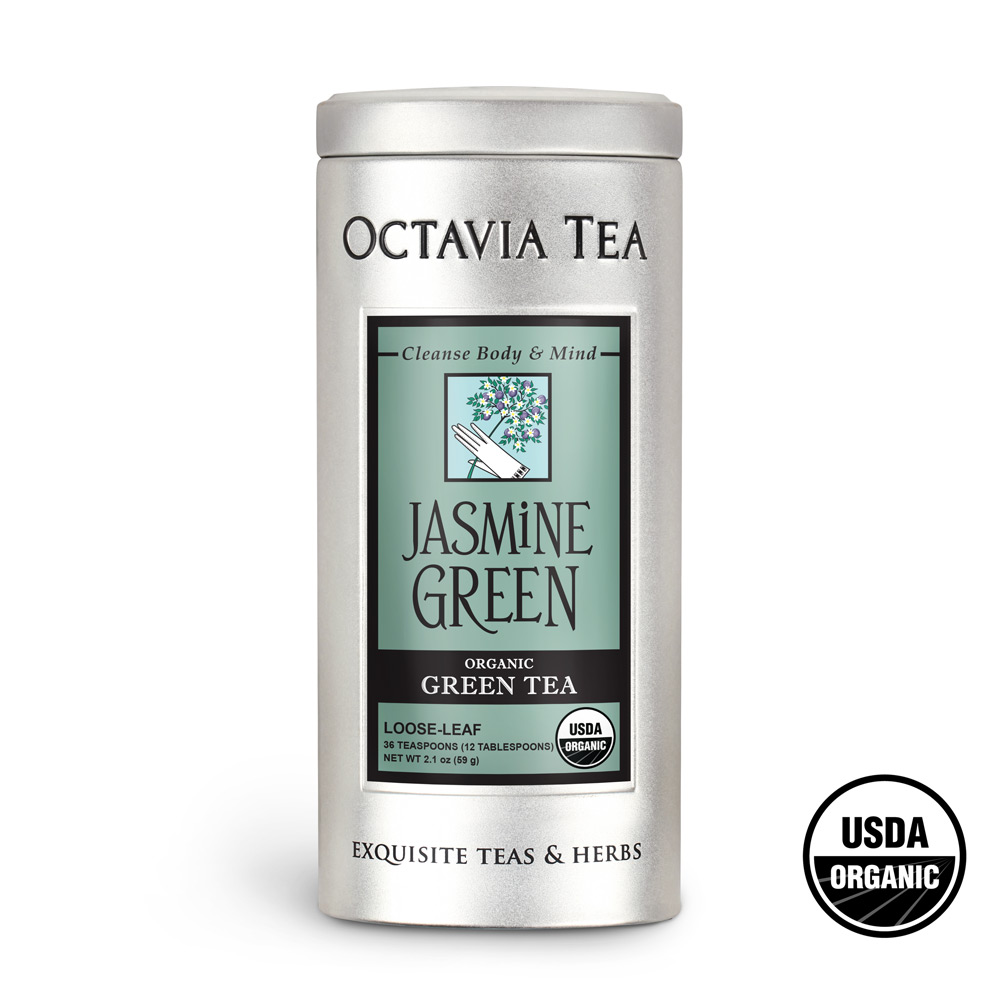
- USDA certified organic status. This is the clearest signal that the flowers were grown without synthetic pesticides, which matters because you are steeping the blossom itself, not just the leaf.
- Whole dried flowers, not fragments. Whole blossoms hold their aromatic oils far longer than crushed ones. If the bag looks like potpourri dust, the cup will taste like it.
- A harvest date, not just a best-by date. Floral teas fade with age, and a harvest date tells you how fresh the current batch actually is.
- A named origin. "Chamomile from Egypt" or "jasmine from Fujian" tells you the grower knows the crop. A vague "imported" tells you nothing.
How Long Dried Flowers Stay Potent
This is the part most people get wrong. A sealed tin of whole dried flowers in a cool, dark cupboard holds peak aroma for roughly 12 months (the FDA). Once opened, plan on 6 to 9 months of full flavor. Crushed or pre-bagged flowers fade in half that time.
Signs your flowers are past their prime:
- The dry blossoms smell faint or dusty instead of vivid.
- The brewed cup tastes flat even at the correct temperature and steep time.
- The color of the liquor is pale compared to when the tin was new.
Storage Rules That Actually Work
Keep flowers in an airtight container away from light, heat, and moisture, and away from strong-smelling spices like cinnamon or cumin, dried flowers absorb nearby odors quickly. A sealed tin in a cool cupboard beats a decorative jar on a sunny counter every time. Do not store floral tea in the refrigerator; the moisture and food odors will ruin it faster than room temperature would.
Flavor Pairings by Flower
Pairing follows the same logic as wine. Match the intensity of the flower to the intensity of the food:
- Rose and strawberry notes work with light desserts, yogurt, and fruit salads.
- Lavender suits honey, shortbread, and roasted root vegetables.
- Jasmine green stands up to citrus, steamed fish, and light rice dishes.
- Chamomile pairs with apples, oats, and mild cheeses.
- Hibiscus cuts through rich, fatty foods and works well iced.
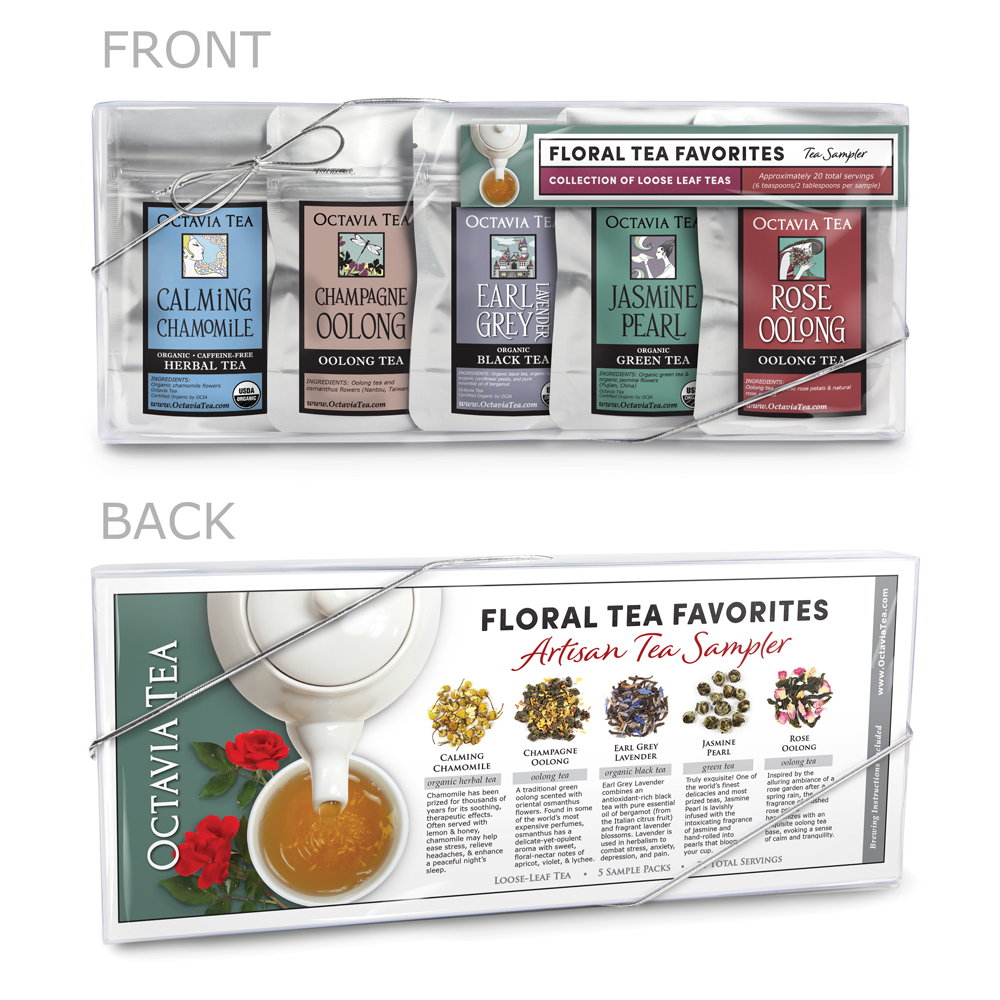
For a low-effort way to explore the range, the Floral Tea Favorites Sampler packs five floral blends into roughly 20 servings with brewing instructions included.
Whole blossoms, a harvest date, and airtight storage decide whether a floral tea tastes and works the way it should. None of them cost extra money. All three are habits.
Frequently Asked Questions
Are floral teas naturally caffeine-free?
It depends on the base. Pure herbal infusions like chamomile, rose, and lavender contain no caffeine. Blends built on green, black, or oolong tea leaves do contain caffeine, though usually less than coffee. If you want a caffeine free tea, check the ingredient list for tea leaves (Camellia sinensis). Octavia Tea's Calming Chamomile is a safe caffeine-free choice, while Jasmine Pearl and Rose Oolong contain moderate caffeine from their tea bases.
Can drinking floral tea help with stress and anxiety?
Certain floral ingredients have a long history in traditional medicine for calming the nervous system. Lavender, for example, contains plant compounds that may help lower stress hormones, and jasmine is traditionally used to ease anxiety and promote well-being. A warm cup also supports a wellness ritual that slows your breathing and signals rest. Results vary by person, so treat floral teas as a supportive habit rather than a treatment for clinical anxiety.
Are there any side effects to drinking herbal floral teas?
Most floral teas are well tolerated, but some ingredients can interact with medications or cause reactions. Chamomile may trigger allergic responses in people sensitive to ragweed. Lavender can act as a mild sedative, so combining it with sleep aids or sedating medication deserves caution. Some florals have diuretic effects. If you take prescription drugs, are pregnant, or manage a chronic condition, talk to your doctor before making floral teas a daily habit.
How should I brew floral teas to preserve their health properties?
Water temperature matters more than most people expect. Delicate white and green floral teas do best at 160-175°F, oolong at 185-195°F, and black or herbal blends at 200-212°F. Steep green and white teas for 2-3 minutes, oolong for 3-4 minutes, and herbal infusions for 5-7 minutes. Over-steeping draws out bitterness and can destroy delicate polyphenols. Use about 1 teaspoon of loose leaves per 8 ounces of water and always start with fresh, filtered water.


Octavia Tea Sign In
Create New Account