


White Tea vs Green Tea for Inflammation: 2026 Guide

Table of Contents
- White Tea vs Green Tea for Inflammation: What the Evidence Shows
- How Processing Changes Each Leaf (and Its Compounds)
- White Tea Benefits: Antioxidants, EGCG, and Cellular Protection
- Green Tea Benefits: Catechins, EGCG, and Cardiometabolic Health
- White Tea vs Green Tea Caffeine: What Each Cup Delivers
- The Best Tea for Inflammation: A Selection Guide
- Brewing, Safety, and What Tea Cannot Do
- Conclusion: Making the Choice
- Frequently Asked Questions
Last Updated: October 7, 2026
We get customers asking us every week about how different teas can impact health. While we do not promise anything from a tea (besides outstanding flavor!) there can be some mild positive health impacts. Inflammation is one of those topics that comes up most, white vs green tea is the comparison that comes up again and again, and we wanted to share our experience and knowledge with you.
We hope you find this interesting and maybe helpful:
White Tea vs Green Tea for Inflammation: What the Evidence Shows
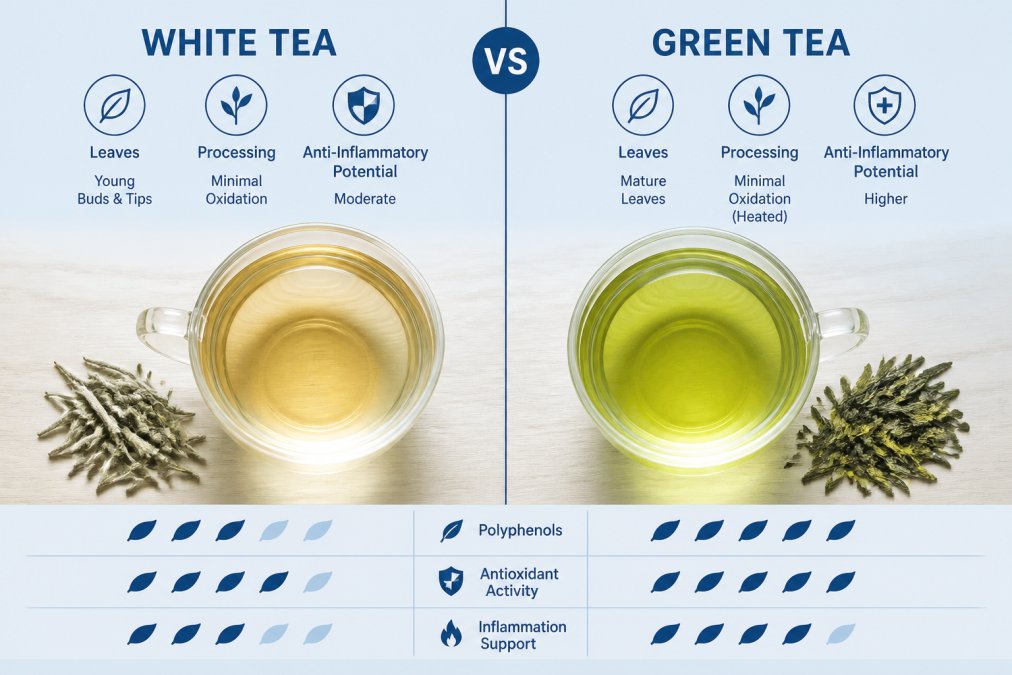
Both teas are made from the same plant, Camellia sinensis, and both contain polyphenols and catechins that laboratory research links to reduced oxidative stress. The difference is how much processing each leaf undergoes before it reaches your cup.
White tea is the least processed tea in the world. Leaves are withered and dried, with almost no oxidation, which preserves high levels of antioxidants and the amino acid theanine. Green tea undergoes a brief heat treatment to halt oxidation, a step that shapes its catechins and its flavor. At Octavia Tea, we source both styles direct from estate gardens, and we field this question often: which one actually does more for inflammation?
National Center for Complementary and Integrative Health overview of tea
How Processing Changes Each Leaf (and Its Compounds)
Processing determines which bioactive compounds survive in the finished leaf. White tea is minimally processed: buds are hand-picked, withered, and air-dried. That minimal handling leaves polyphenols, flavonoids, and EGCG (epigallocatechin gallate) largely intact, along with notable theanine.
Green tea takes one extra step. Growers apply heat, either pan-firing or steaming, shortly after picking. This deactivates the enzymes that would otherwise trigger oxidation, locking in the leaf's green color and its catechin profile. The result is a tea with a different balance of plant compounds than white tea, though the two overlap considerably.
Processing changes the ratio of compounds, not the presence or absence of them. A common mistake is treating white tea and green tea as nutritionally opposite. They are closer than the marketing suggests.
Factor | White Tea | Green Tea |
|---|---|---|
Processing | Withered and dried | Heated, then dried |
Oxidation | Minimal | Halted early |
Key compounds | Polyphenols, theanine | Catechins, EGCG |
Caffeine | Lower, varies | Moderate, varies |
Flavor | Delicate, sweet | Grassy, vegetal |
White Tea Benefits: Antioxidants, EGCG, and Cellular Protection
White tea benefits center on its antioxidant capacity. Because the leaf skips heat treatment, it retains a broad spectrum of polyphenols, the plant compounds studied for their ability to neutralize free radicals and limit cellular damage.
Laboratory and test-tube studies have examined white tea extracts for antimutagenic and anti-aging properties, and for protection against oxidative damage in skin cells. These are preclinical findings. They tell us the compounds are biologically active, not that drinking white tea resolves inflammation in a person.
One thing worth knowing is the dose question. A test-tube study may use a concentrated extract far beyond what steeping delivers. That gap between preclinical research and human outcomes is where most inflammation claims quietly fall apart.
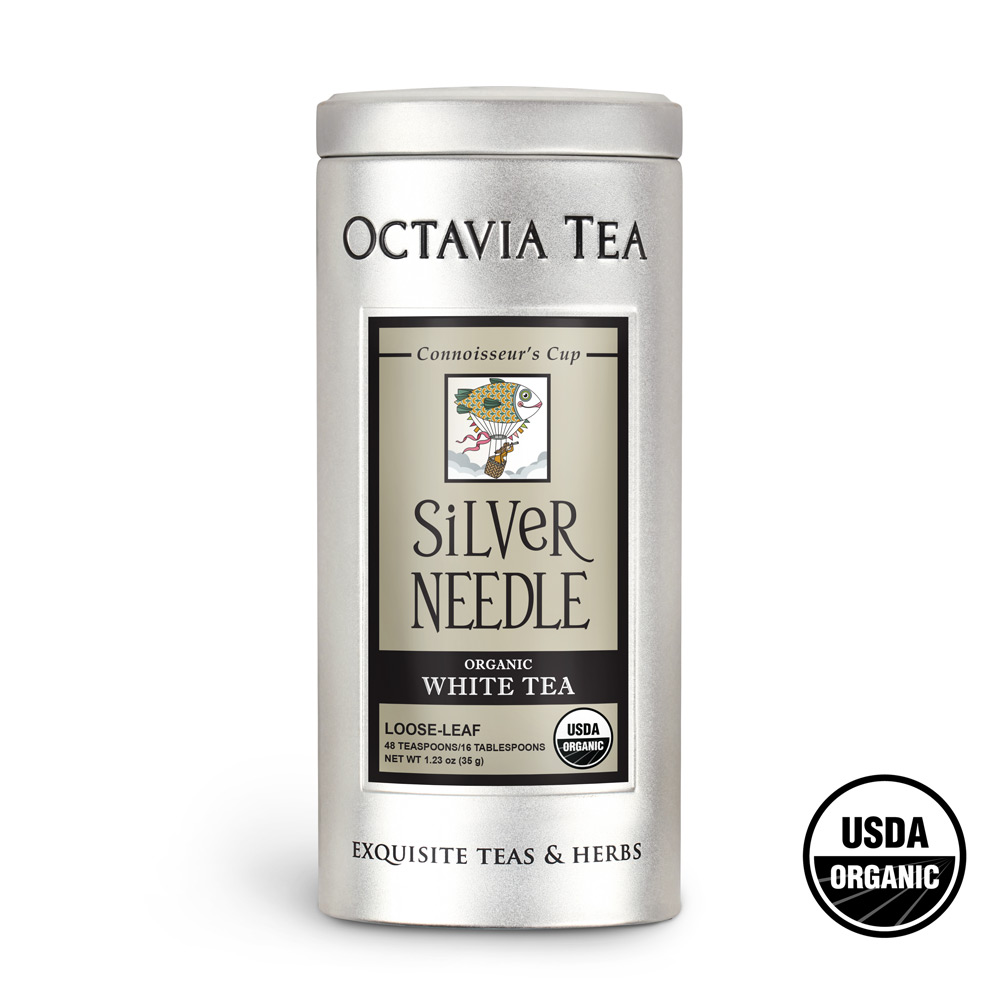
Our Silver Needle is the clearest expression of this category. It consists only of first-flush spring buds, the highest grade of white tea, with a delicate, nectar-like infusion and naturally occurring theanine. If you want to test white tea's potential effects for yourself, this is the place to start.
Green Tea Benefits: Catechins, EGCG, and Cardiometabolic Health
Green tea's anti-inflammatory reputation rests on a deeper human evidence base than white tea's, but the quality of that evidence matters more than the volume.
The mechanism is worth understanding before the studies. EGCG and related catechins appear to interfere with nuclear factor kappa B (NF-κB), a protein complex that switches on genes involved in the body's inflammatory response. They also scavenge reactive oxygen species directly and can influence the enzymes that produce inflammatory signaling molecules.
What human trials actually measure. Most green tea inflammation studies do not ask whether you 'feel less inflamed.' They measure specific circulating markers: C-reactive protein (CRP), interleukin-6 (IL-6), tumor necrosis factor alpha (TNF-α), and sometimes markers of oxidative stress such as malondialdehyde.
The results are mixed and dose-dependent. Some trials report modest reductions in CRP or IL-6; others find no meaningful change. A recurring pattern is that effects are larger in people with elevated baseline inflammation, those with obesity, metabolic syndrome, or existing cardiometabolic risk, and smaller or absent in already-healthy participants.
Cardiometabolic outcomes are where the evidence is strongest. Green tea catechins have been studied for effects on LDL cholesterol, blood pressure, fasting glucose, and body weight, and reviews of those trials generally find small favorable shifts rather than dramatic ones.
What this means for the white tea comparison. Green tea's edge over white tea is not that its catechins are inherently more powerful, it is that researchers have run more human trials on green tea, so we can speak about its effects with more calibrated confidence.
A practical caveat on form. Almost all of the human evidence uses brewed green tea or standardized extracts at defined catechin doses. A cup you brew at home delivers a variable and generally lower amount.
USDA food data on tea polyphenol content
White Tea vs Green Tea Caffeine: What Each Cup Delivers
Both contain caffeine, and the amount depends more on leaf age, serving size, and steeping time than on the color of the tea.
The common belief that white tea is naturally caffeine-free is wrong. Younger buds and leaves tend to hold less caffeine than mature leaves, and white tea is picked young, so it often lands lower. But a long steep of a generous serving can push either tea upward. If caffeine is your concern, control the steep, not just the tea type.
That said, if you specifically want no caffeine at all, neither of these is the answer. Look to herbal infusions instead.
The Best Tea for Inflammation: A Selection Guide
It depends on what you want from the cup, because neither white nor green tea is a treatment. Use this guide to match the tea to your goal.
- For the least processed option: Choose white tea. Minimal handling preserves a broad polyphenol profile.
- For the strongest human evidence: Choose green tea. Its catechins and EGCG have more clinical study behind them.
- For lower caffeine: Lean white, and keep steeping short.
- For a daily ritual you'll actually keep: Pick the one you enjoy. Consistency matters more than the label.
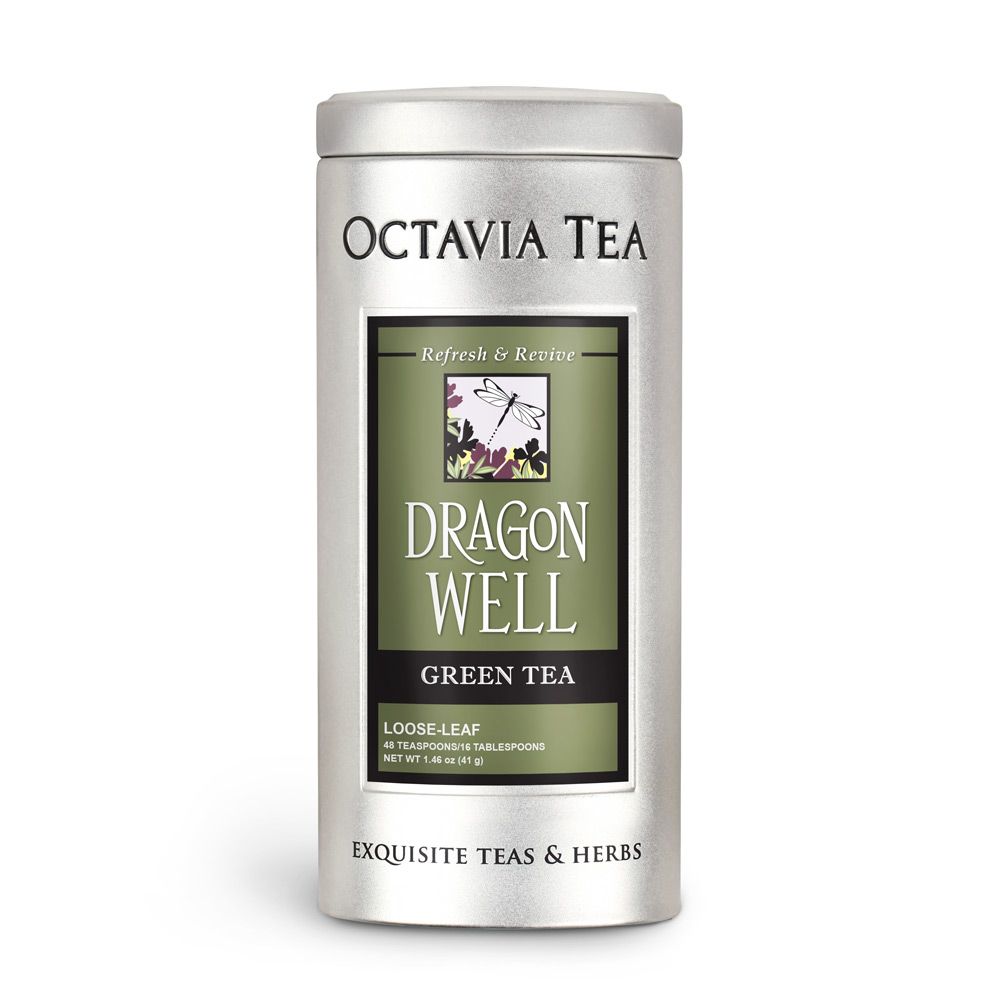
For a green tea that's easy to drink daily, our Dragonwell offers a buttery, roasted chestnut flavor and a mellow finish. Our Bi Luo Chun is smoother and more complex than common green teas, picked in early spring when leaves are most tender. And Gyokuro Imperial, shaded for weeks before harvest, develops deep concentrations of L-theanine and a rich, vegetal sweetness.
Brewing, Safety, and What Tea Cannot Do
Brewing is not a footnote in this comparison, it determines how much of the compounds you are actually comparing. Catechins and polyphenols are water-soluble and extract at different rates depending on temperature, time, and leaf-to-water ratio, so two cups of the same tea can deliver meaningfully different amounts of the actives.
The mechanism is straightforward. Hot water diffuses soluble compounds out of the leaf; higher temperatures and longer contact times extract more, but they also extract more caffeine and more of the bitter-tasting tannins. Green tea is typically brewed cooler and shorter because its catechins and amino acids degrade or turn harsh under prolonged heat, while white tea's minimally processed leaf tolerates a wider range.
A second variable is leaf quality and form. Whole-leaf teas and tea bags do not extract identically, and finely broken leaf releases compounds faster. This is one reason study results are hard to translate directly to your kitchen: a trial using a standardized preparation is not the same as a casual steep.
Safety deserves more attention than it usually gets, and the most important distinction is form. Brewed tea and concentrated green tea extracts are not interchangeable. The FDA has warned that green tea extract supplements have been linked to rare cases of liver injury, and those cases generally involve high-dose capsules rather than drinking tea.
Caffeine is the next consideration. Both teas contain it, and sensitivity varies widely. People who are pregnant, nursing, or managing anxiety, arrhythmias, or sleep problems should account for total daily caffeine from all sources, not just tea.
Medication interactions are real but often overstated in tea articles. The better-documented concern is that catechins and the vitamin K in tea can interact with certain drugs, notably blood thinners such as warfarin, and that green tea may affect the absorption of some medications.
And be clear about the limits. Tea cannot resolve chronic inflammation on its own, and no single food can. The strongest levers remain sleep, overall diet pattern, movement, and medical care. Tea is a supporting habit, a good one, but not the mechanism.
Conclusion: Making the Choice
The honest answer is that white tea vs green tea for inflammation is not a contest with a single winner. Green tea carries the stronger human evidence; white tea offers the least processed leaf and a gentler caffeine profile. Most people benefit from drinking whichever they enjoy consistently.
That's where we come in. Octavia Tea offers more than 120 organic loose leaf teas sourced direct from estate gardens, hand-blended with natural flavor essences and pure essential oils, and USDA certified organic.
Frequently Asked Questions
Can white tea help with inflammation?
White tea contains polyphenols, including catechins and EGCG, that laboratory studies link to reduced oxidative stress and lower inflammatory markers. Most of that evidence comes from test-tube and animal research rather than large human trials, so it supports white tea as part of a healthy routine, not as a treatment. The Silver Needle white tea from Octavia Tea is made from first-flush spring buds and brews a delicate cup you can drink daily.
Can green tea help with inflammation?
Green tea is the more studied of the two. Human trials, including research on cardiometabolic health and weight management, have examined green tea catechins and EGCG for effects on inflammatory markers and oxidative stress. Results vary by dose, serving size, and population, and the effects are modest. A green tea such as Dragonwell or Zen Super Green gives you a convenient daily source of these plant compounds.
Does green tea have more antioxidants than white tea?
It depends on the leaf, the harvest, and how you brew it. Both come from Camellia sinensis and both contain catechins, EGCG, and flavonoids. Green tea is generally higher in EGCG because its leaves are pan-fired or steamed soon after picking, while white tea undergoes minimal processing and often shows strong antioxidant capacity in lab tests. Comparing specific products matters more than comparing the two categories in the abstract.
Which has more caffeine, white tea or green tea?
Green tea usually contains slightly more caffeine than white tea, though the gap is small and depends on leaf age, serving size, and steeping time. Shaded Japanese green teas and matcha blends tend to run higher. If you are sensitive to caffeine, white tea such as Silver Needle or a gently steeped green tea in the afternoon is a reasonable choice. Check the product page for guidance on water temperature and steep time.
Which is the best tea for inflammation?
There is no single winner. Green tea has the deepest body of human research behind its catechins and EGCG, while white tea offers a milder caffeine profile and a light flavor that suits daily drinking. The practical answer is to pick the one you will actually drink consistently, brew it at the right temperature, and treat it as one habit among several rather than a remedy on its own.


Octavia Tea Sign In
Create New Account